A general contractor lawyer in Brentwood, CA isn't always the first call a homeowner needs to make. Plenty of "legal" problems on a remodel or addition, an unpaid draw, a missed deadline, a vague change order, actually trace back to a contract that was never tight in the first place. This guide breaks down which issues genuinely need an attorney, which ones a licensed general contractor should resolve directly, and how to tell the difference before you spend money on either one.
When You Need an Attorney vs. When You Need a Better Contractor
Not every construction dispute belongs in front of a lawyer. A construction attorney Brentwood homeowners hire is usually dealing with one of three situations: a lien already filed against the property, a contract dispute heading toward a lawsuit, or a licensing complaint that's escalated past the informal stage.
Everything short of that, unclear scope language, a contractor who won't put a change order in writing, slow communication during a punch list, is a contracting problem. It gets solved by hiring a licensed, bonded general contractor who documents the job correctly from day one, not by paying a retainer.
That distinction matters because legal fees add up fast on disputes that a clear written contract would have prevented. Before calling an attorney, it's worth asking whether the real issue is the contractor, not the contract.
Common Legal Problems on Brentwood Construction Projects
Mechanic's Liens and Payment Disputes
A general contractor who doesn't pay subcontractors or suppliers can trigger a mechanic's lien against the property, even if the homeowner paid in full. Subcontractors and suppliers must serve a 20-day preliminary notice within 20 days of first furnishing labor or materials to preserve their right to file one.
The lien itself must then be filed within 90 days of project completion.
Here's why that timeline matters in practice: a flooring sub who finishes a $40,000 job in March but never gets paid can lose lien rights entirely by missing the 20-day window, regardless of how clear-cut the debt is. For the exact statutory language, see California Civil Code Section 8200 on preliminary notice requirements.
Construction Defects
A defect claim arises when work fails to meet code, industry standards, or the contract's own specifications. Leaking windows, cracked foundations, and faulty wiring often don't surface until months after completion, which is exactly when legal action tends to begin.
Project Delays and Disruption Claims
A delay claim covers lost time and added cost when a project runs behind schedule due to another party's actions. A related but distinct disruption claim covers inefficiency: work that technically continued but cost more than it should have because of interference. Both are far more common on large commercial jobs than on a typical home remodel.
California Contractor Licensing: What CSLB Requires
California requires contractors to carry an active CSLB license, a surety bond, and workers' compensation insurance if they have employees. The current amount of the contractor license bond is $25,000.
Letting that workers' comp coverage lapse is one of the most common, and most avoidable, ways a license gets suspended. If a contractor is required to have workers' comp insurance but doesn't, their license is automatically suspended by operation of law, no notice from the board required, under Business and Professions Code section 7125.2.
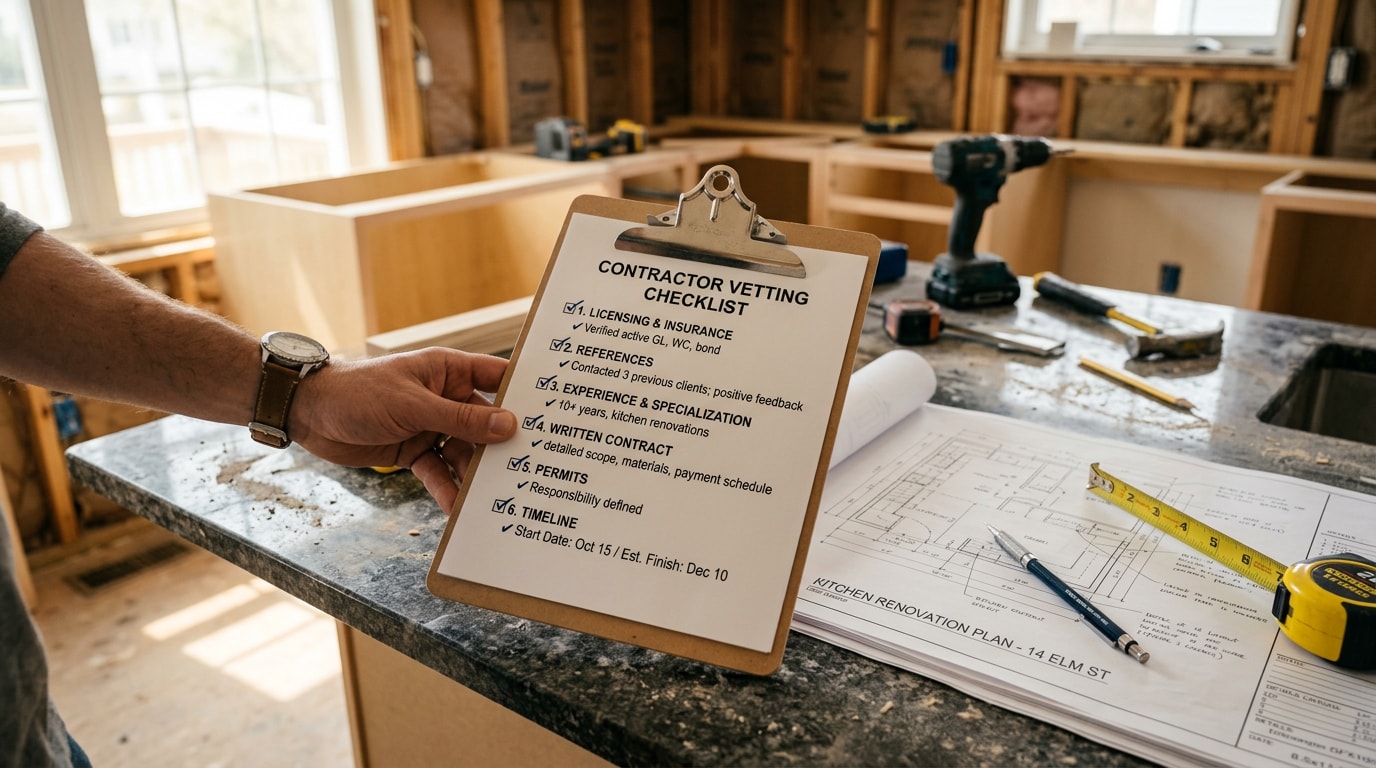
Before hiring anyone, confirm their license status, bond, and insurance directly through CSLB's consumer resources, not from a card they hand you on-site. It takes two minutes and avoids the single most common source of licensing disputes.
How to Avoid Needing a Lawyer in the First Place
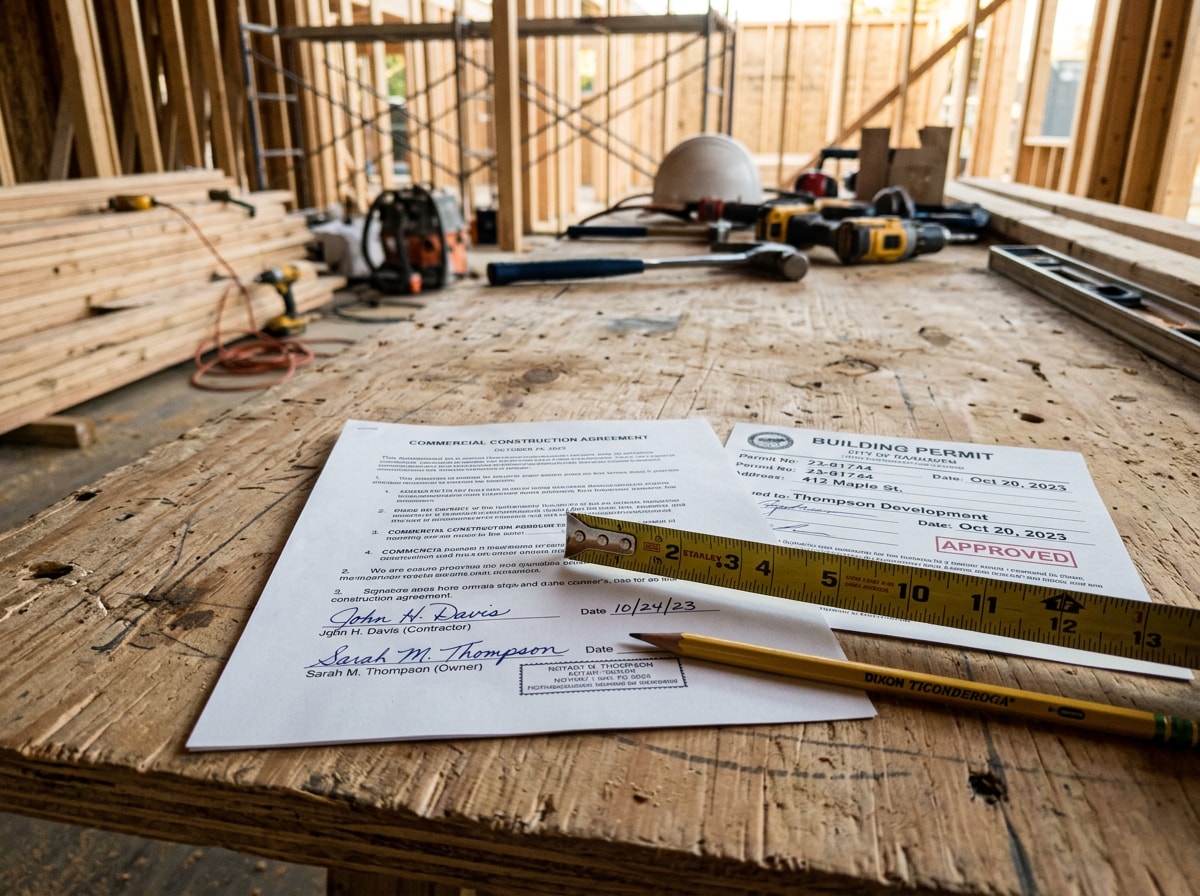
Most construction disputes we've seen trace back to the same three gaps: scope that was never put in writing, change orders agreed to verbally, and payment milestones that weren't tied to inspected, documented progress. A contractor who handles those three things correctly removes most of the reason to call a lawyer at all.
Here's what that looks like in practice:
- Every change order is written and signed before work starts, not described after the fact when a bill shows up.
- Lien releases are collected at every draw, so a subcontractor payment issue never becomes the homeowner's problem.
- Progress is photographed and dated before it gets covered by drywall, siding, or concrete.
- Payment schedules tie to inspected milestones, not arbitrary calendar dates.
Good contract habits up front are almost always cheaper than fighting over vague scope language two years into a project. That's the standard we hold ourselves to on every job, and it's the first thing worth asking any contractor you're considering.
Resolving a Dispute: Negotiation, Mediation, Arbitration, or Court
When a dispute does need outside help, there's a sequence most construction attorneys will walk a client through before filing a lawsuit:
- Negotiation. Informal and voluntary. Works best for minor misunderstandings where the working relationship is still intact.
- Mediation. A neutral third party helps both sides reach a non-binding settlement. Useful when preserving the relationship still matters.
- Arbitration. Produces a binding or non-binding decision from a neutral arbitrator. Faster than court, though it gives up some procedural protections.
- Litigation. The last step, used when deadlines force the issue or the other options have already failed.
Small Claims vs. Civil Court in California
California's statute of limitations is 4 years for written contracts and 2 years for oral contracts. Missing either deadline typically means losing the right to sue altogether.
| Forum | Dollar Limit (2026) | Attorney Allowed? | Filing Deadline |
|---|---|---|---|
| Small Claims |
Up to $12,500 for individuals, $6,250 for businesses
|
No at the hearing; a lawyer can advise beforehand
| 4 yrs (written) / 2 yrs (oral) | |||
|---|---|---|---|
| Limited Civil | Up to $35,000 | Yes | 4 yrs (written) / 2 yrs (oral) |
| Unlimited Civil | Over $35,000 | Yes | 4 yrs (written) / 2 yrs (oral) |
| Mechanic's Lien Enforcement | No cap | Yes | 90 days to record; 90 days to enforce after recording |
For step-by-step filing instructions, the California Courts Self-Help Guide walks through forms, fees, and deadlines county by county.
Choosing a Construction Attorney in the Brentwood Area
If a dispute has already crossed into lien or lawsuit territory, general litigation experience isn't the same as construction-specific knowledge. Look for someone who can speak fluently about lien timelines, CSLB procedure, and standard construction contract terms, not just litigation volume.
A solid consultation should cover:
- The strengths and weaknesses of your specific case
- Who at the firm will actually handle the work day to day
- Fee structure and a realistic cost and timeline estimate
- Experience with insurance carriers, since many disputes eventually involve one
For a closer look at the decision between hiring counsel and working the issue out directly, see our guide on when you actually need a general contractor attorney.
Wait, correcting link formatting.
Why Brentwood Homeowners Work With a Licensed General Contractor First
Most of the legal headaches covered above start on a job site, not in a courtroom. A licensed general contractor who writes clear contracts, documents change orders, and keeps subcontractors paid on schedule is the cheapest insurance against ever needing the strategies in this guide.
SSG Construction works on remodels, additions, and repairs throughout Brentwood and the surrounding East Bay and Central Valley, and builds every contract with the documentation habits described above. If you're planning a project and want it scoped correctly from the start, you can see the full range of services on our homepage or browse our general contractor services.
Ready to get your project scoped correctly from the start? Get a free estimate before a vague contract turns into a legal problem.
Areas We Serve Near Brentwood
Coverage for Brentwood-area construction work typically extends to the surrounding communities that share the same permitting offices and subcontractor pool. We serve Brentwood, CA directly, along with nearby areas including Lodi, CA, Stockton, CA, Tracy, CA, and Manteca, CA.
FAQ
What kind of lawyer do I need to sue a contractor?
You need a California contract or construction attorney, not a personal injury lawyer, unless the dispute involves a physical injury on the jobsite. Construction attorneys handle contract terms, lien law, and licensing issues that general practice lawyers rarely deal with regularly.
Do I need a lawyer to sue a contractor in California small claims court?
No. California small claims court is built for self-representation, and attorneys generally cannot represent clients at the hearing itself, though you can consult one beforehand.
Who actually needs a California construction attorney?
Contractors and subcontractors chasing unpaid invoices, defending against a defect claim, or facing a licensing complaint typically need one. Property owners in a dispute with their general contractor over cost, timeline, or workmanship fall into this group too, especially once a lien has been filed.
How much does a construction lawyer cost in California?
Costs vary by case complexity. Consultation fees commonly run $150 to $500, hourly rates typically fall between $200 and $700 or more, and flat-fee contract reviews often run $500 to $3,000. Complex litigation costs more than a straightforward contract review or demand letter.
How do I avoid needing a construction lawyer at all?
Hire a licensed, bonded general contractor, get every change order in writing before work starts, and tie payments to inspected milestones instead of calendar dates. Most disputes that end up needing a lawyer started as a documentation problem.