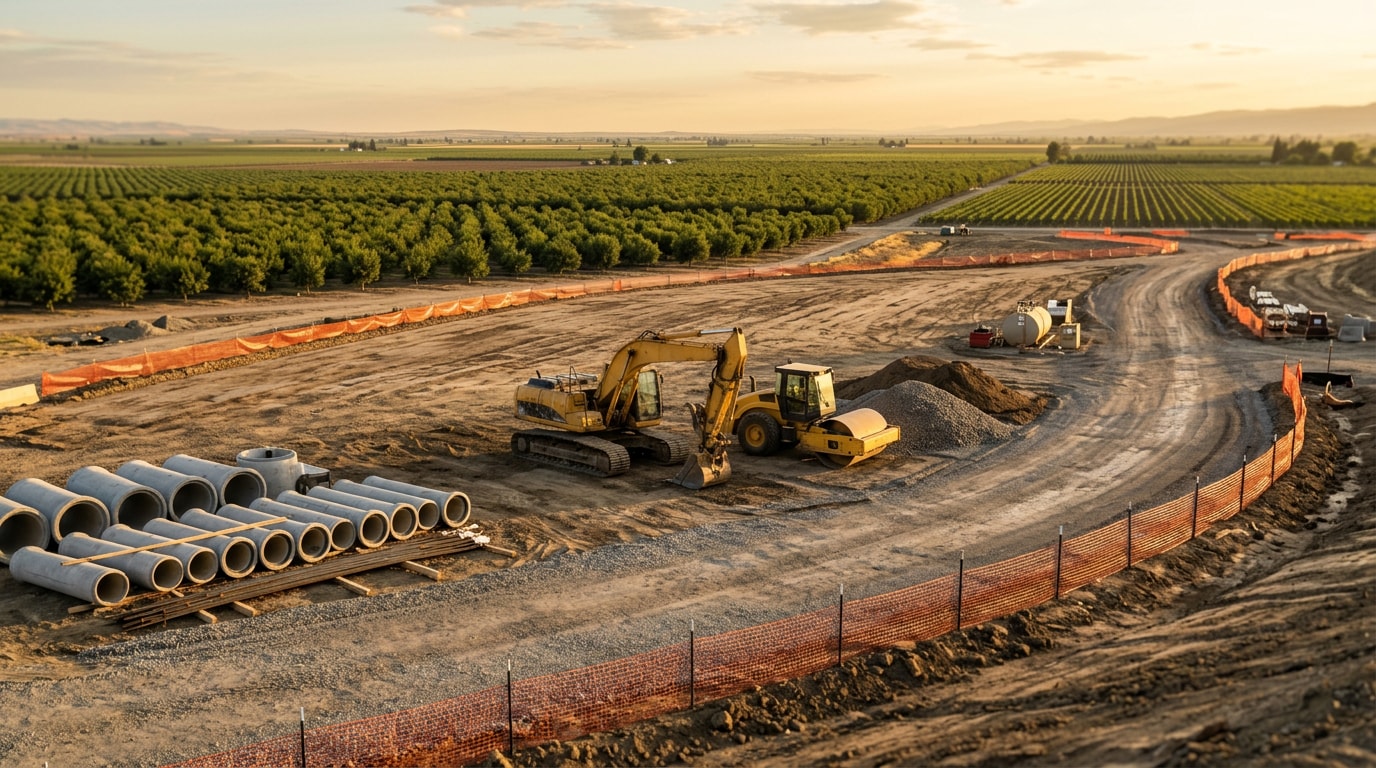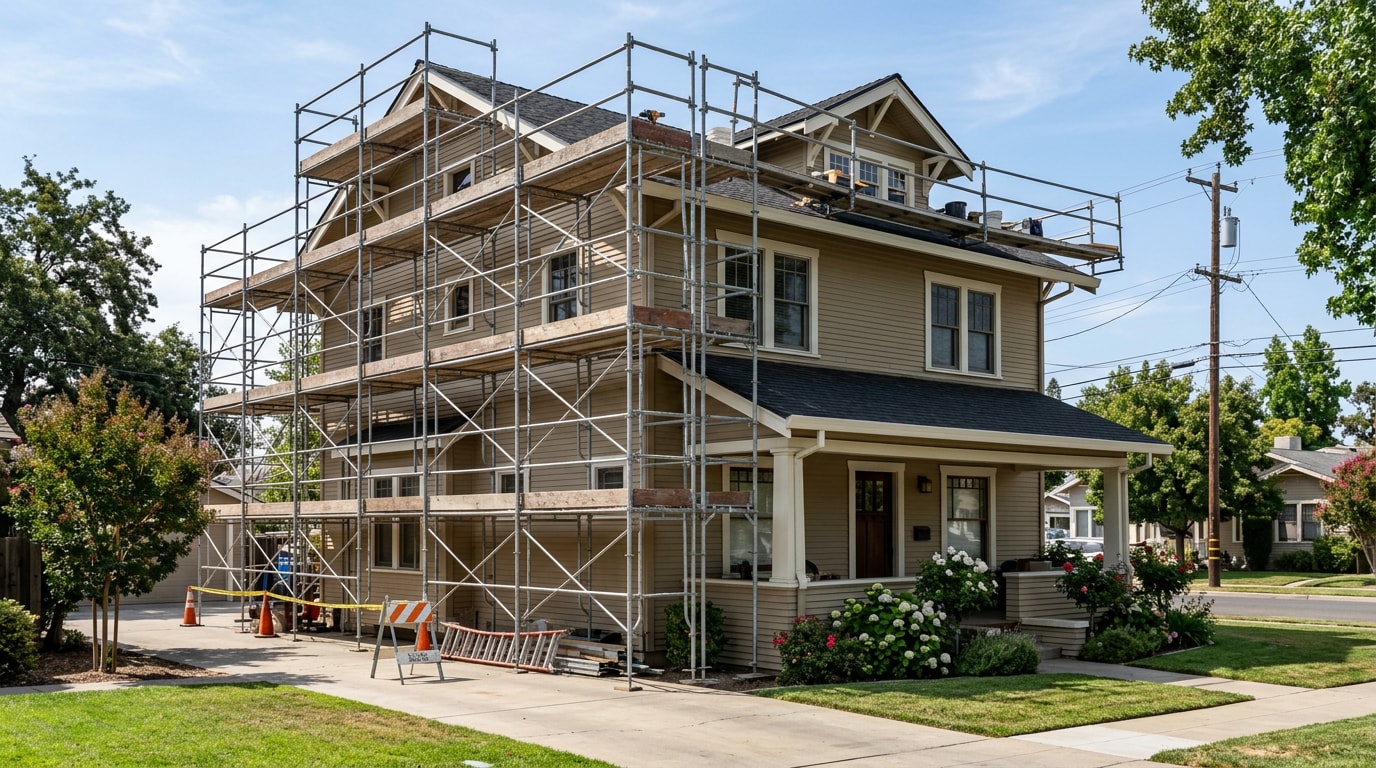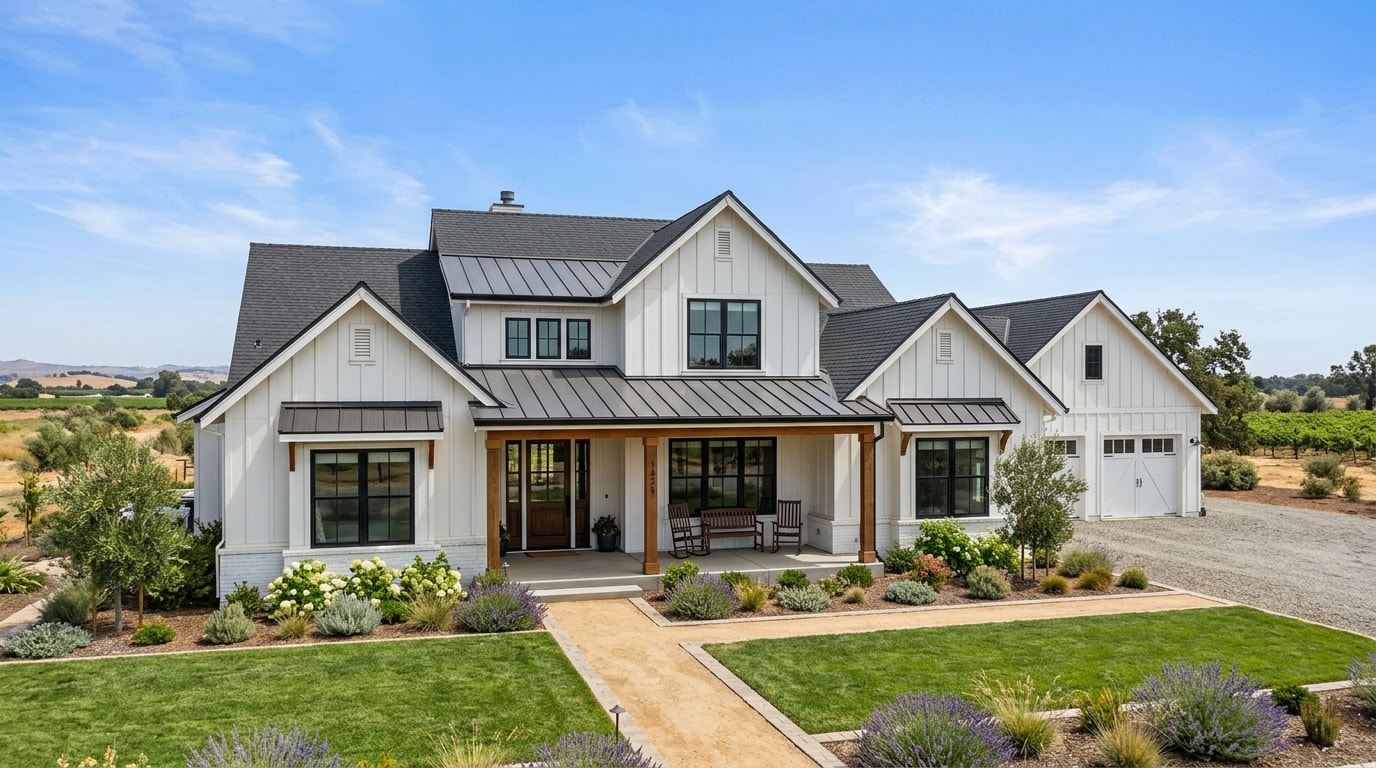
Hiring the right custom home builder in Ripon, CA takes more than a search and a gut feeling. Ripon's mix of agricultural land, growing subdivisions, and established neighborhoods means lot conditions, setbacks, and permitting steps vary block by block. This guide covers how local builders operate here, what separates a solid builder from a risky one, and the real numbers you need before you sign anything.
What Makes a Builder "Local" in Ripon, California
A builder who actually works in Ripon knows more than general construction basics. They understand the city's setback rules, how San Joaquin County treats agricultural-adjacent parcels, and which architectural styles fit the area, from modern farmhouse layouts to traditional family homes.
That familiarity shortens your learning curve. A builder who has already pulled permits in Ripon and worked with the same inspectors isn't guessing at timelines or code interpretations. In our own projects across Ripon and the surrounding Central Valley, agricultural-adjacent lots have added real time to permitting purely from septic, well, and setback verification, something a builder unfamiliar with the area wouldn't flag until it's already causing delays.
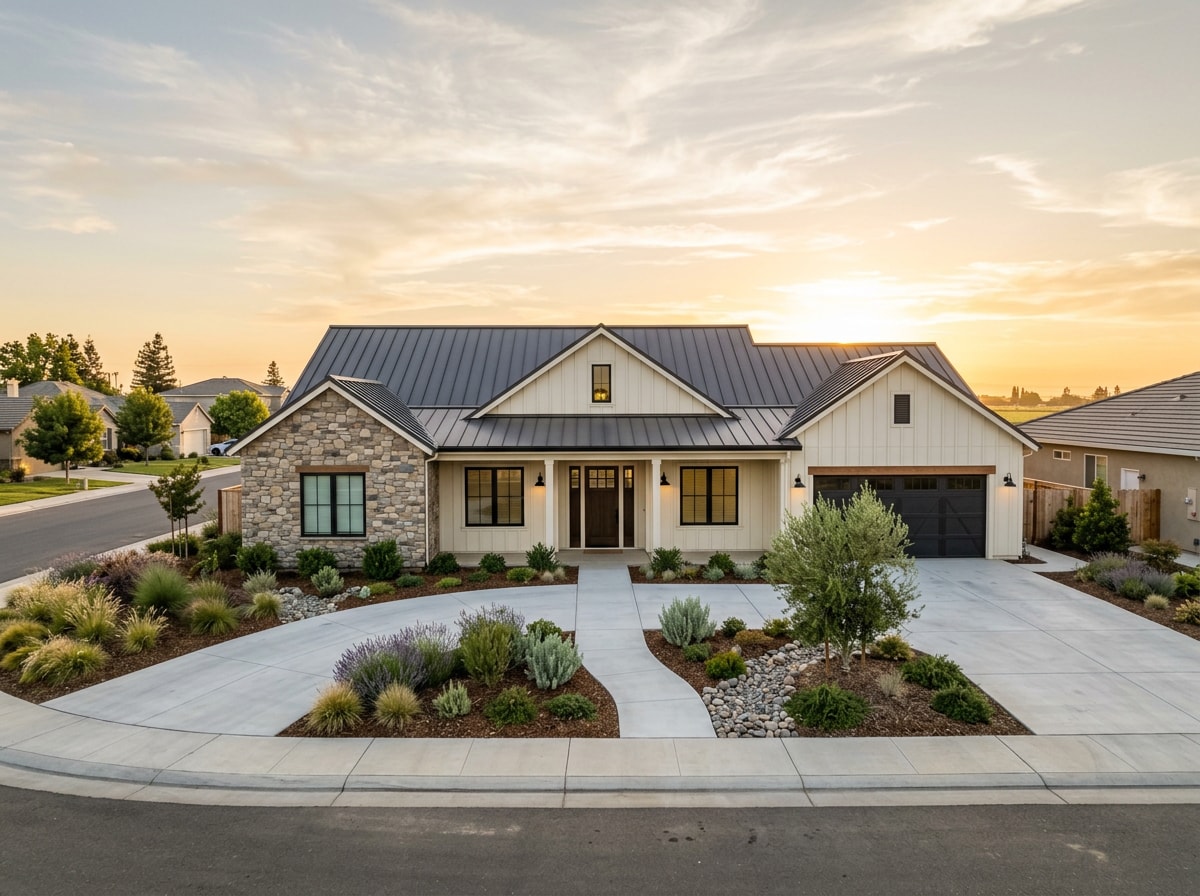
Browse examples of our work on the SSG Construction homepage before you start narrowing your builder list, or review our general contractor services for the full scope we handle.
Why the Lowest Bid Is Rarely the Best Bid
Choosing a builder based on the smallest number on a bid sheet is one of the most common mistakes buyers make. A rock-bottom bid often hides incomplete scope items, thin material allowances, or a builder who hasn't fully priced site conditions yet.
On a custom build, those gaps surface later as change orders, and by then you have far less leverage. Comparing cost estimates only works when every bid covers the same scope. A real builder comparison means matching line items, not just the bottom line, before you commit to anyone.
Custom Home Builder vs. General Contractor: Know the Difference
Start your research by understanding who you're actually hiring. A custom home builder typically manages design coordination and craftsmanship directly from the earliest planning stages, while a general contractor's role can be narrower, focused mainly on subcontractor scheduling once plans are finalized.
Knowing this distinction early helps you ask sharper questions later. For a deeper breakdown of how these roles differ in practice, see our local guide on general contractors versus construction companies in Ripon.
Personal referrals still matter here too. Ask neighbors, real estate agents, or local lenders who they've worked with. A name that comes up twice is worth a call.
License and Insurance Requirements You Should Verify
California requires anyone building a home for someone else to hold a contractor license, typically a Class B General Building license issued by the Contractors State License Board (CSLB). Verify this before any contract is signed. It's a quick check that rules out unlicensed operators fast.
Confirm general liability insurance and workers' compensation coverage as well. A licensed, insured builder protects you if something goes wrong mid-build. You can look up a builder's license number directly through the CSLB's online license lookup tool to confirm it's active and matches the business name on your contract.
What a Custom Home Builder Actually Does
A custom home builder's real job starts before architectural plans are finalized: reviewing feasibility, flagging scope gaps, coordinating with architects and engineers, and weighing in on materials and cost long before a shovel touches dirt. This preconstruction planning work shapes the entire project's success.
Consider large glass walls or a complex roofline. Both look straightforward on a rendering. In practice, they can require structural engineering, different framing methods, or added flashing details that change the budget significantly. Strong design-build coordination catches these issues early, when adjustments are still cheap.
Define Your Project Before You Call a Builder
Before calling any builder, settle on your own parameters first.
- Home size and style — a realistic footprint and architectural direction
- Budget with contingency — many builders recommend holding back an extra cushion beyond your base estimate for the unexpected
- Lot status — do you already own land, or are you still searching?
- Zoning and HOA rules — restrictions that could limit size, height, or placement
- Must-haves vs. nice-to-haves — a clear list that keeps scope decisions fast
Mismatched expectations cause friction fast. A production-focused builder paired with a highly customized project rarely ends well for either side.
How to Evaluate a Custom Home Builder
Evaluating a builder comes down to three pillars: relevant experience, verifiable credentials, and clear accountability. The sections below break down what that actually looks like in practice.
Look for Relevant Custom Home Experience
Ask to see homes of similar size and budget to yours, not just a general portfolio. Relevant experience on comparable projects tells you far more than years in business alone.
Pay attention to lot conditions too. Sloped, rural, or agricultural-adjacent sites each bring different challenges. A builder with a strong portfolio on flat suburban lots may still be new to grading or drainage issues on a rural Ripon parcel.
Check Credentials, References, and Reputation
Confirm license status and insurance before requesting a bid, as covered above. When you call references, ask specifically how the builder handled change orders on a past Central Valley project, not just whether they'd hire them again. Vague answers are a red flag worth noting.
Request a Portfolio of Prior Projects
Ask for a builder's portfolio before you end your first consultation. A builder confident in their work should have photos and details of prior projects ready to share. Request examples closest to your vision in size, finish level, or architectural style. That comparison tells you more about fit than a generic highlight reel ever could.
Ready to compare notes on your project? Contact our team for a free, no-pressure walkthrough of scope and budget.
Questions Worth Asking Before You Sign
Walk through a direct list of questions before signing anything:
- How do you handle budgeting, plan review, and permitting?
- How are scheduling changes communicated?
- What warranty coverage applies after move-in, and who handles repairs?
- Which subcontractors do you typically use, and how are they selected?
- How familiar are you with permitting in this specific city?
A builder who's pulled permits in your area already knows what inspectors expect.
Real Costs: What the Data Actually Shows
Thin directory listings often throw out a cost range without telling you where it comes from. Here's a sourced starting point instead.
The National Association of Home Builders' most recent Cost of Construction Survey put the median price for custom, or contractor-built, homes at $166 per square foot of floor space, up slightly from $162 in 2023 . That's a national median across all regions and finish levels, not a Ripon-specific quote, so treat it as a directional benchmark rather than a number to plug into your own budget.
| Cost factor | What drives it |
|---|---|
| Finish level | Production-grade vs. high-end fixtures, cabinetry, and millwork |
| Lot condition | Flat, serviced lots cost less to build on than sloped or rural parcels |
| Site work | Grading, utility runs, septic, and well installation on agricultural-adjacent land |
| Design complexity | Rooflines, glazing, and structural engineering needs |
| Permitting and fees | City and county fees, plan review, and inspections |
Get a bid that breaks out these categories separately so you can compare apples to apples across builders.
Energy Code Compliance: What's Required for New Homes
This is a step most buyer guides skip entirely, and it affects your budget. California's Title 24, Part 6 Building Energy Efficiency Standards apply to virtually every new custom home built in the state, covering insulation, HVAC efficiency, water heating, lighting, and solar photovoltaic requirements. The California Energy Commission's Building Energy Efficiency Standards page outlines the current standards and compliance manuals your builder's energy consultant will reference when preparing your permit package.
Ask your builder early how they're handling Title 24 compliance and whether a solar PV system is included in your base bid or priced as an add-on. This is a frequent source of change-order surprises on new builds.
Building Your Custom Home in Ripon: Permits and Sequencing
Building a custom home in Ripon generally follows a predictable sequence: design development, detailed floor plans, permitting, scheduling, and ongoing quality checks throughout construction. Each phase depends on the one before it, so delays early tend to ripple forward.
City of Ripon permitting steps are built into this timeline, with plan reviews and inspections happening at defined milestones rather than only at the end. The City of Ripon Building Department handles plan review, permits, and inspections for all new residential construction within city limits, and requires any contractor working in Ripon to hold a business license registered with the city in addition to their state CSLB license.
A builder experienced locally knows how to sequence these steps to avoid unnecessary downtime. If your project includes a secondary structure, review our ADU construction services or full home building services to see how we scope those phases.
See which areas we build in on our Ripon, CA service area page.
Quick Custom Home Builder Checklist
Use this as a fast final gut-check before you sign:
- Experience — relevant projects similar to yours in size and budget
- Pricing — full scope compared apples-to-apples, not just the total
- Licensing — active CSLB Class B license and current insurance
- Communication — clear, responsive, documented in writing
- Local knowledge — familiarity with Ripon permitting and codes
- Process — a defined path from design through final inspection
About This Guide
SSG Construction is a Central Valley general contracting company led by Saul, who brings more than 15 years of hands-on remodeling and construction experience to projects across Ripon, Stockton, Lodi, and the surrounding region. If you're weighing a custom build against a remodel, our guide to custom builders in nearby Woodbridge covers how budget and timeline shift between the two approaches.
Ready to talk specifics? Get a free estimate and start the conversation with our team.
FAQ
How much does it cost to build a custom home in Ripon, CA?
There's no single number that applies to every lot. NAHB's national data puts the median custom, contractor-built home at $166 per square foot , but site conditions, finish level, and design complexity can move your actual cost well above or below that benchmark. Get itemized bids from at least two licensed builders before budgeting.
How long does it take to build a custom home?
Most custom builds run roughly 10 to 18 months from permit issuance through move-in, though this varies by project size and complexity. Permitting delays, design changes, and weather are the main factors that stretch timelines beyond initial estimates.
Do I need a permit to build a custom home in California?
Yes. A building permit is needed for all new construction in the City of Ripon, and in most cases a permit is also required for the replacement of existing construction, additions, and remodeling. Most builders handle the application and inspections as part of their standard service.
What is the difference between a custom home builder and a general contractor?
A custom home builder typically manages design coordination and hands-on construction directly from the planning stage forward, while a general contractor's role can focus more narrowly on subcontractor scheduling once plans are set. Licensing requirements apply to both roles. See our full breakdown in the general contractor vs. construction company guide.
How do I verify a contractor's license in California?
Use the CSLB's online license check tool and search by the business name or license number. Confirm the status is active, the classification matches the work (Class B for most custom home builds), and the bond and workers' compensation fields are current before you sign anything.
What questions should I ask before hiring a custom home builder in Ripon?
Ask how they handle budgeting, plan review, and permitting, how they communicate schedule changes, what warranty coverage applies after move-in, and how familiar they are with City of Ripon permitting specifically. Vague or evasive answers to any of these are worth treating as a red flag.