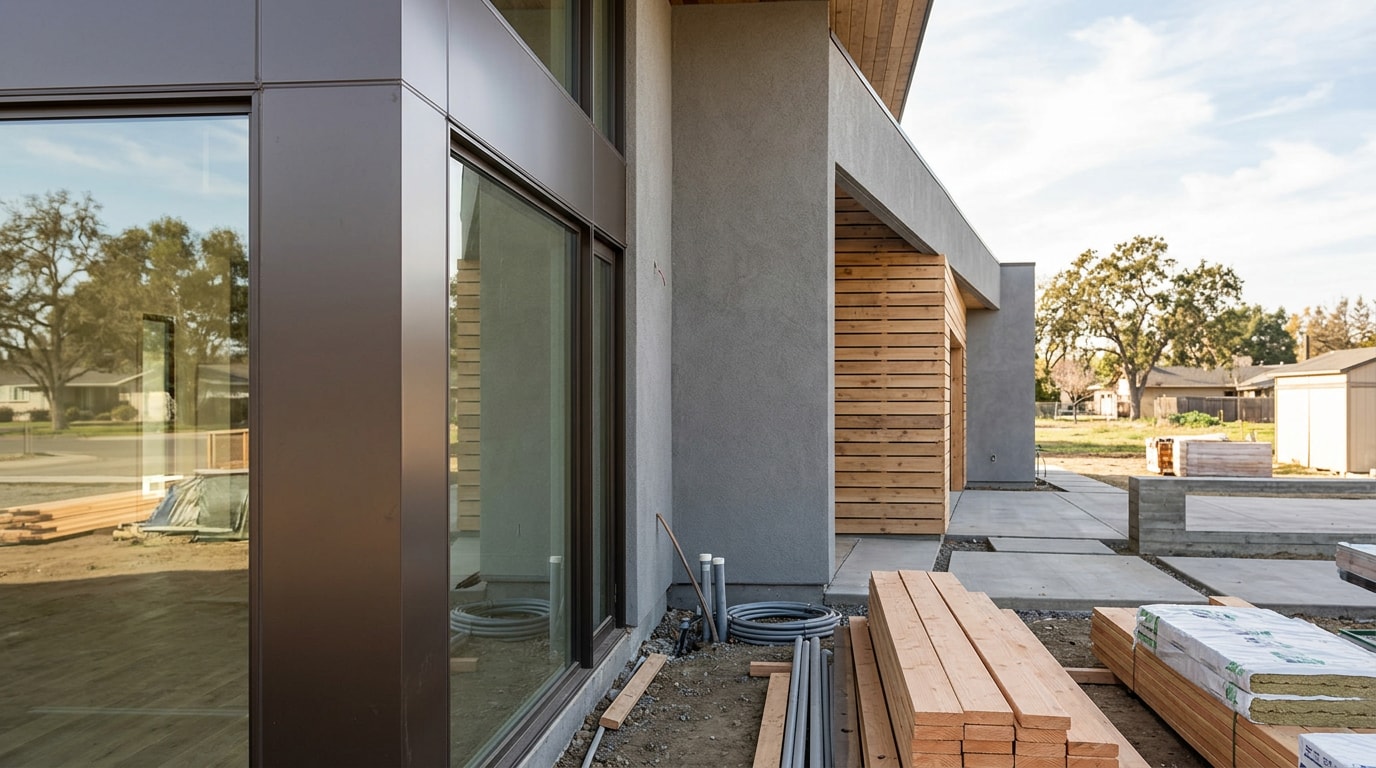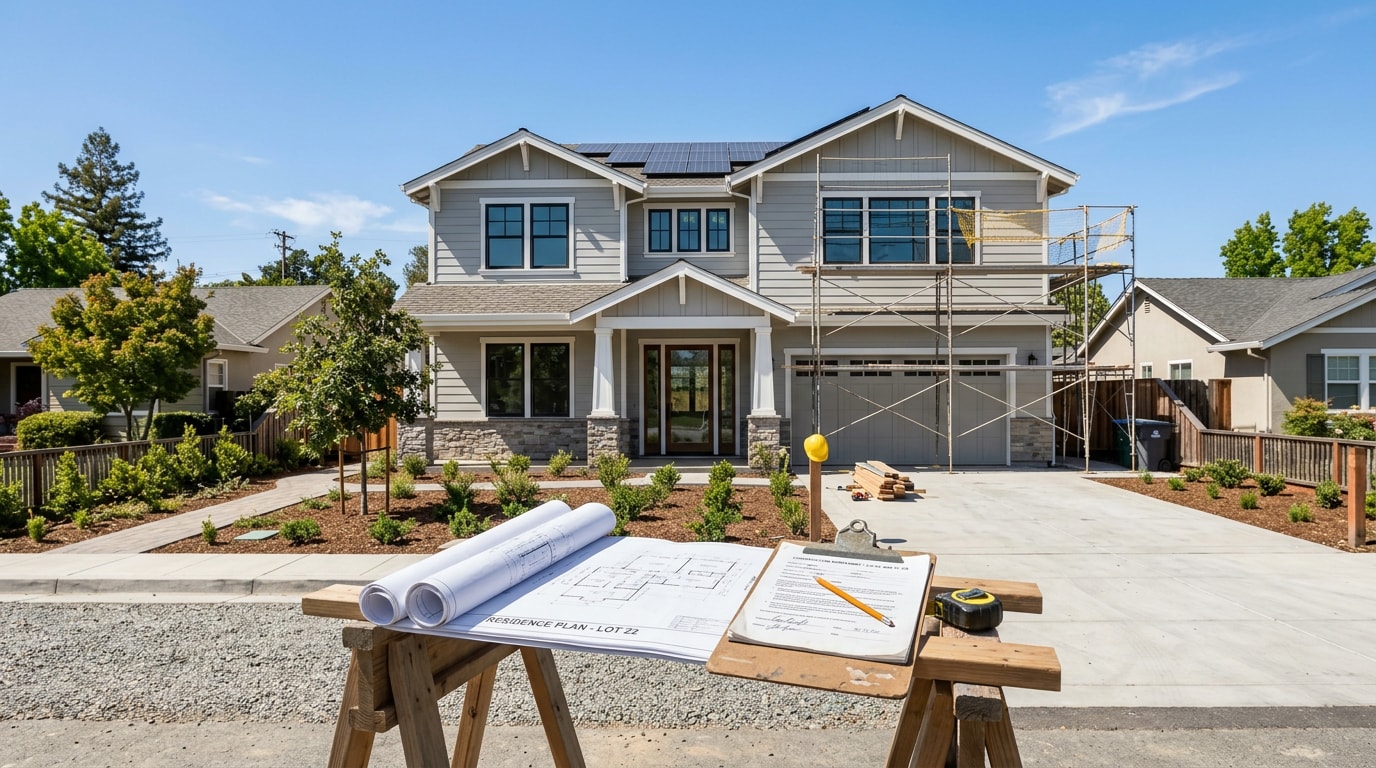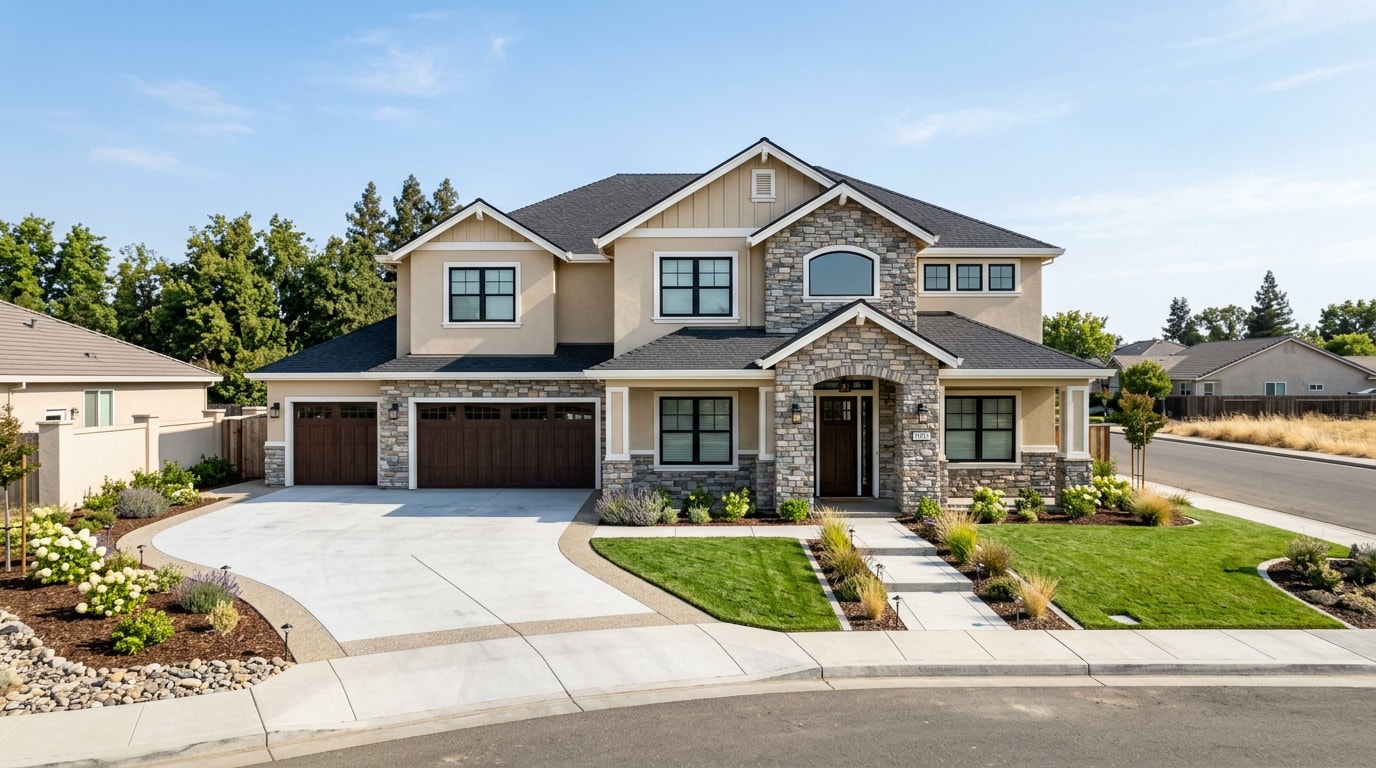
Turnkey construction services in Stockton, CA put one contractor in charge of design, permitting, procurement, and build, so you get a finished, move-in-ready space instead of a stack of separate contracts to manage. That single point of contact is what separates this delivery method from hiring an architect, a general contractor, and a handful of trades on your own. Here's what it actually includes, what it costs, and how it plays out for projects in and around San Joaquin County.
What Is Turnkey Construction?
Turnkey construction is a project delivery method where one general contractor takes full responsibility for design, permitting, procurement, and construction through final handover. You get a single point of contact and a finished space ready to occupy, without coordinating separate trades yourself.
The phrase borrows from "turn the key." You receive a completed project, not a punch list of loose ends. For anyone comparing turnkey construction services Stockton, CA property owners can hire against the traditional route, that single point of contact is the defining feature.
That distinction matters most when something goes wrong. Accountability doesn't get split across a designer, a general contractor, and a handful of subcontractors. It stays with one firm. Our team at SSG Construction has built this full-service delivery model around exactly that principle: one contract, one team, one number to call if something needs fixing.
Turnkey Construction Services in Stockton, CA
A Stockton general contractor offering turnkey construction services typically serves the surrounding San Joaquin County market, from downtown Stockton out to Lodi, Manteca, and Tracy, handling everything from single-room remodels to multi-unit commercial buildouts. Local experience matters here. A team that already knows the permit offices, inspection schedules, and common foundation issues in the area moves faster than an out-of-town firm relearning the process on your job.
We work throughout Stockton, Lodi, Manteca, and Tracy, and the permit path changes depending on exactly where a property sits.
Stockton Service Area & Home Eras We Work With
Stockton's housing stock spans several distinct eras, and each brings different needs.
- Historic homes in neighborhoods like Magnolia and Miracle Mile often need structural, electrical, or plumbing updates brought to current code before cosmetic work starts.
- Mid-century ranch homes common across north Stockton tend to suit opened-up floor plans, since their original layouts are usually compartmentalized.
- Newer construction in areas like Brookside or Weston Ranch often has the lot size and setback flexibility that makes a home addition or ADU more straightforward to permit.
If you're specifically weighing ADU options, our ADU general contractor hiring guide for Stockton breaks down what to ask before signing.
Permit Handling for Stockton Construction Projects
A turnkey contractor prepares construction documents, submits through the correct permitting office, manages plan-check corrections, and schedules inspections through final sign-off, so the client never deals with the permit counter directly.
Here's the detail that trips up out-of-area firms: addresses inside Stockton city limits go through the Permit Center, a one-stop shop for building, planning, transportation permits, encroachment permits, and fire inspections run by the City of Stockton. Addresses in unincorporated San Joaquin County route through County Community Development, where members of the public can visit for in-person assistance with the Accela permitting system and other permit issues instead. Filing with the wrong office can add weeks to a schedule before anyone breaks ground.
Benefits of Turnkey Construction Services
The benefits of turnkey construction show up most clearly in speed and predictability. A fixed-price contract means the number you sign is close to the number you pay, barring approved changes. Because design and procurement overlap instead of running one after the other, streamlined construction shaves real time off the schedule. A single point of contact means no finger-pointing when an issue needs fixing.
Picture a typical Stockton retail build-out under the two models. Under traditional design-bid-build, an owner finalizes drawings, bids the project, selects a contractor, then starts permitting as separate, sequential steps. Under a turnkey model, design and permitting run in parallel with early procurement of long-lead items like HVAC units and storefront glazing, because the same team handling plan-check corrections is already coordinating the build. The overlap is the entire advantage: fewer handoffs, fewer gaps where a project sits idle waiting on the next party.
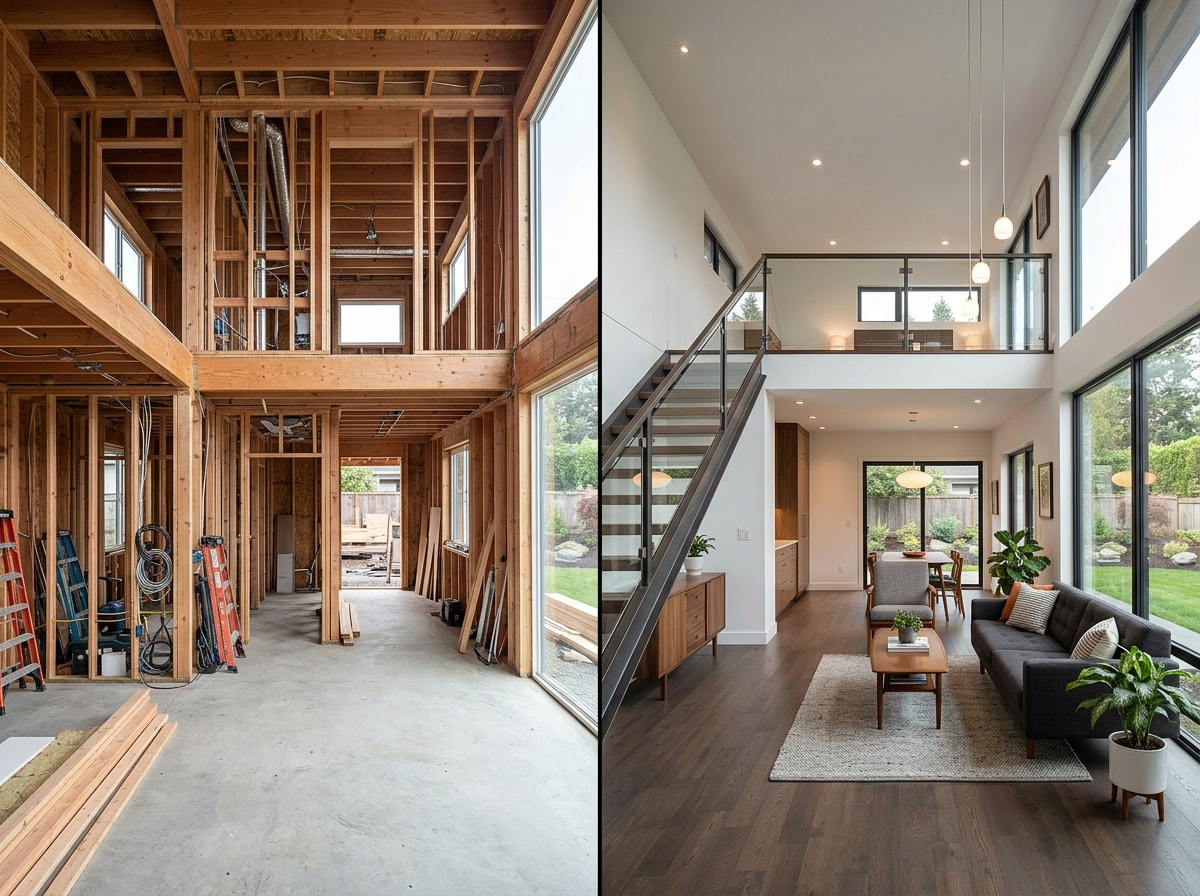
Who Turnkey Construction Is Best For
Turnkey construction suits business owners opening a location on a deadline, homeowners who want hands-off construction, and clients who value a single point of contact more than hands-on control of every decision.
If you'd rather approve milestones than manage subcontractor schedules yourself, this model fits well. It's a weaker match for owners who want to select every finish personally or bid trades separately for cost control. Traditional design-bid-build may suit that preference better.
Turnkey vs. Design-Build Construction
Turnkey and design-build get used interchangeably, but they aren't quite the same thing. Design-build is a method of project delivery in which one entity, the design-build team, works under a single contract with the project owner to provide design and construction services, with one entity, one contract, and one unified flow of work from initial concept through completion. Turnkey construction typically builds on that foundation with full permitting, procurement, and move-in readiness included.
Workflow
Turnkey integrates design and build into one continuous, overlapping process. Design-bid-build separates those phases instead: drawings are finished, the project is bid out, then construction begins, a linear sequence that adds time at each handoff.
Contracting
Turnkey construction runs on a single contract with one firm. Design-bid-build typically involves separate agreements with an architect, a general contractor, and often individual trade subcontractors. That means more parties, more paperwork, more coordination.
Accountability
Turnkey creates a single point of accountability for the entire outcome. Under design-bid-build, singular responsibility means one entity is held accountable for cost, schedule, and performance, while a fragmented delivery model increases the administrative burden of managing disparate contracts , so tracking down which scope caused a problem can slow the fix.
If you want a deeper breakdown of how these delivery methods compare on paper and in practice, see our guide on general contractors versus construction companies in Ripon, CA.
Turnkey Construction Services We Offer
Turnkey construction solutions typically span pre-construction planning, design coordination, permitting, construction, and closeout, a full project scope handled without gaps between phases. Depending on the job, that might mean design-build services for a commercial buildout or residential work like kitchen remodeling, bathroom remodeling, whole-house remodeling, additions, garage conversions, and ADUs.
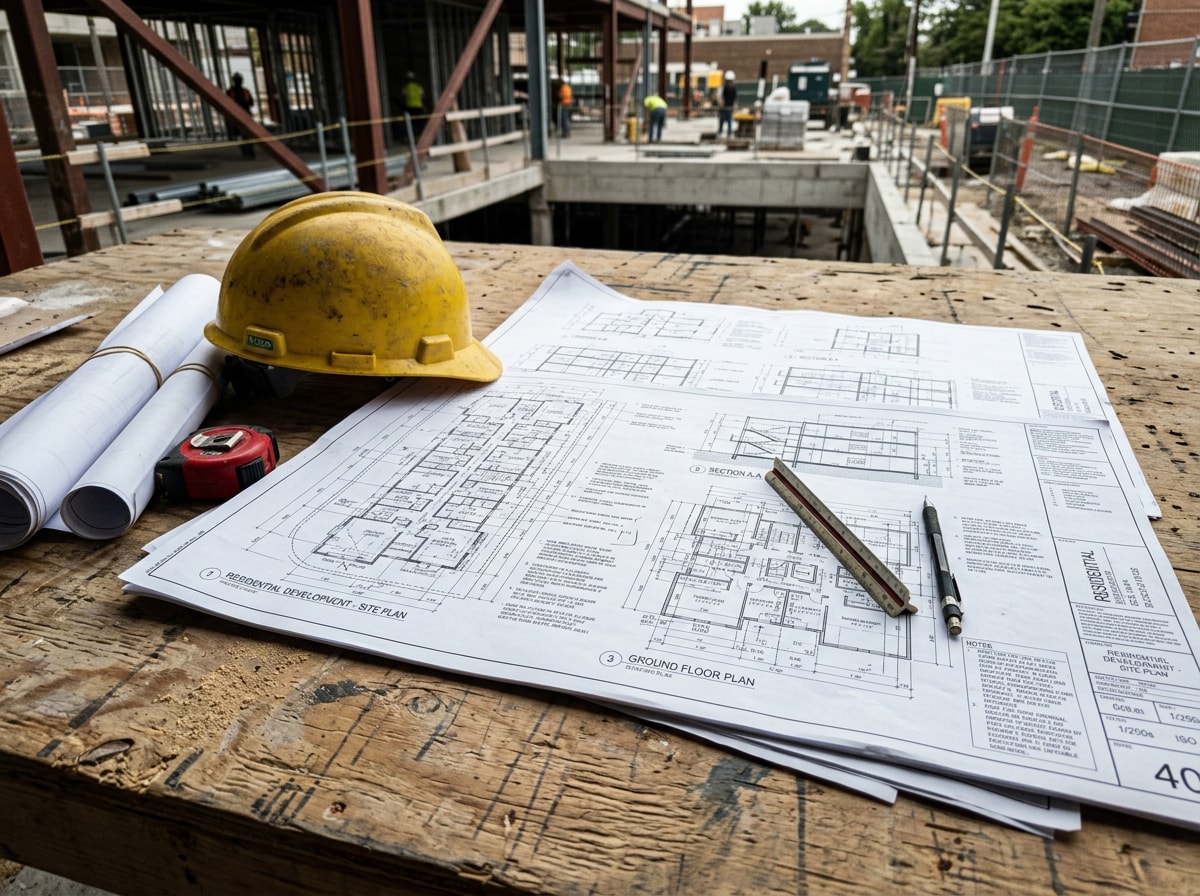
The goal is consistent across project types: one contract, one schedule, one team responsible for the result. Browse our full general contractor services to see which scope fits your project.
Project Management Services Included
Project management concretely covers pre-construction planning, vendor and subcontractor selection, field supervision, and quality control checks at each milestone, followed by formal closeout.
Clients typically receive regular progress reports rather than needing to check the site themselves. A written or photo update at set intervals keeps everyone aligned without daily owner supervision.
Residential vs. Commercial Turnkey Projects
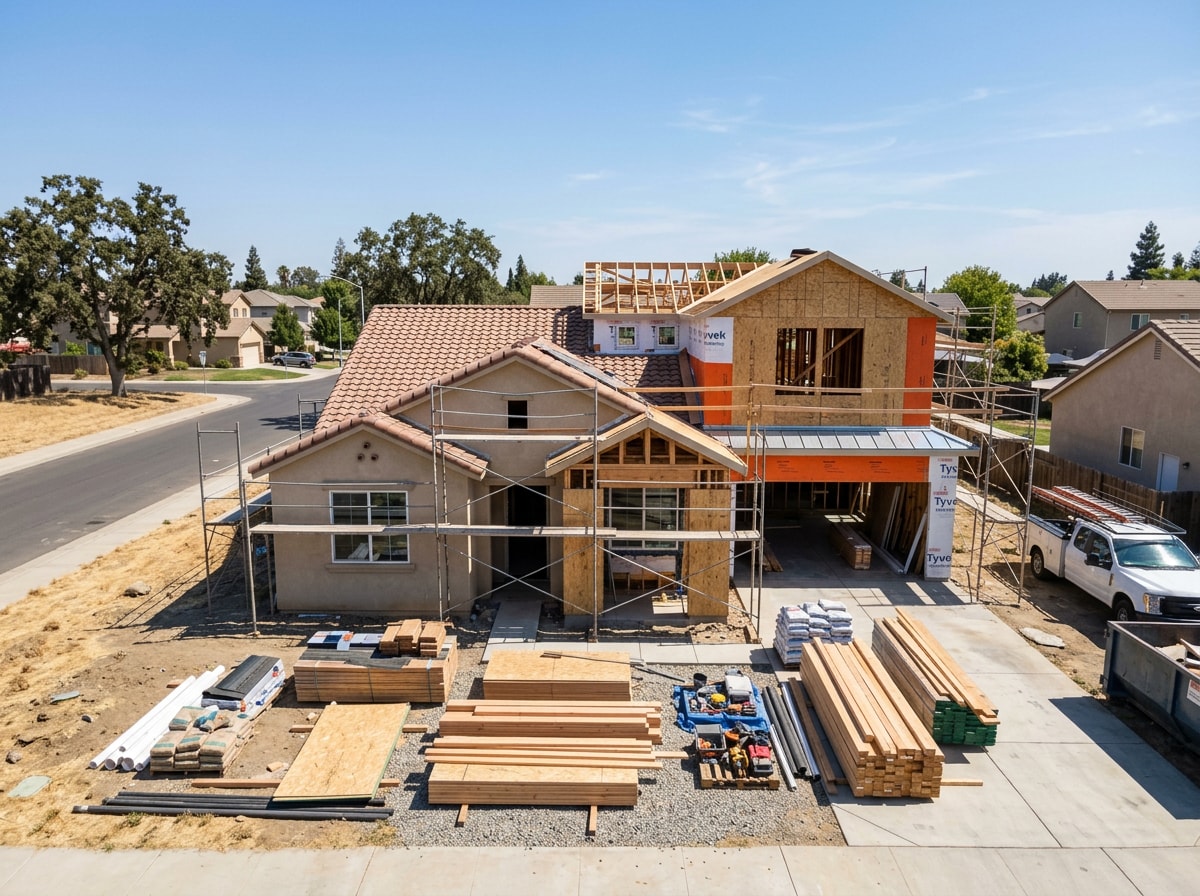
Residential turnkey construction usually centers on a single-family home, whether that's a remodel, addition, or new ADU, often with the owner living on-site during part of the work. Commercial turnkey construction, like a retail buildout or office tenant improvement, tends to run against a tighter public-facing deadline and often includes fixtures, signage, and exterior improvements that residential jobs don't require.
What to Clarify Before Signing a Turnkey Contract
Before signing, get clear on these points:
- Confirm exactly what's included and excluded in the scope of work. Landscaping, permits, appliances, and fixtures are common gray areas.
- Ask whether warranty coverage and post-handover support are part of the turnkey contract or billed separately.
- Verify license status directly through the state licensing board before any agreement is signed, since standing can change.
CSLB recommends checking a contractor's license or Home Improvement Salesperson registration before hiring, including any complaint disclosure, and advises reading its Hiring a Contractor page first.
FAQ
How much does turnkey construction cost?
Turnkey construction cost is typically set through a fixed-price contract rather than billed by trade or hour, which can carry a modest premium since the contractor absorbs more risk. In exchange, clients generally avoid the change-order surprises that inflate traditional project budgets later.
How long does a turnkey construction project take?
Timelines vary by scope and permitting complexity, but overlapping design, permitting, and procurement under one contractor usually compresses the schedule compared with hiring an architect and contractor separately. A small remodel might run 8 to 12 weeks. A commercial buildout can take several months.
Do I need to hire my own architect for a turnkey project?
Usually not. A true turnkey or design-build firm carries architectural and design capability in-house, so design and construction run through the same team from day one, without a separately sourced architect.
Is turnkey construction more expensive than hiring separate contractors?
Not necessarily. The fixed-price structure can carry a slightly higher upfront number since the contractor is pricing in more risk. But it typically avoids the change orders, delay costs, and coordination gaps that push traditional project budgets over their original estimate.
What's included in a turnkey construction contract?
A complete turnkey scope covers design, permitting, procurement, construction, and closeout. It's worth confirming in writing whether landscaping, appliances, fixtures, and warranty support fall inside that scope or get billed as extras.
Is my turnkey contractor licensed and insured in California?
Confirm both general contracting license status and any relevant design credentials before signing. You can look up a contractor license or Home Improvement Salesperson registration to verify information, including complaint disclosure , through the state's official lookup tool. Get in touch for a project quote and ask for license numbers up front.
Ready to see what a single-contract, single-team build looks like for your property? Get a free estimate from SSG Construction and find out where your project fits on the timeline.